The conviction behind Margin.
You don't need to share any of this to work with me. But since it shapes how I coach, I'd rather tell you plainly than leave you to find out later.
Coaching with Margin works the same way no matter what you believe. Real budgets, real numbers, real accountability, built inside your own YNAB account. But if you want to know why "margin" matters to me beyond a good YNAB habit, here's a handful of convictions I've tried to actually live, not just agree with. (A few resources that shaped this thinking are at the bottom, if you want to go deeper.)
God owns it. I manage it.
The most basic shift in how I see money is this: it was never mine to begin with. I don't ultimately own my income, my house, or what's sitting in a savings account. I'm managing something that belongs to God, on His terms, for as long as I have it.
That's not a guilt trip. It's actually a relief. If it's not mine to protect at all costs, I don't have to white-knuckle every financial decision like the whole outcome rests on me.
"The earth is the LORD's and the fullness thereof, the world and those who dwell therein."
Psalm 24:1"All things come from you, and of your own have we given you."
1 Chronicles 29:14Stewardship is the whole job description.
If God owns it and I manage it, then my job with money is stewardship: not accumulation, not anxiety, just faithful management of what's currently in my hands. A budget, in that light, isn't a productivity hack. It's the practical shape stewardship takes when it meets a real paycheck and real bills.
This is also why "small" budgeting habits matter more than they look like they should. Categorizing a $6 coffee run honestly isn't really about the $6. It's practice at being trustworthy with what's actually mine to manage, so I'm not scrambling to learn faithfulness the first time the number gets big.
"It is required of stewards that they be found faithful."
1 Corinthians 4:2"One who is faithful in a very little is also faithful in much, and one who is dishonest in a very little is also dishonest in much."
Luke 16:10Giving is planned, not leftover.
If money is on loan and stewardship is the job, generosity stops being an occasional nice gesture and becomes a normal, expected line item, planned for before the month starts, the same way rent and groceries are. In a YNAB budget, that just means giving gets its own category, funded on purpose, instead of hoping there's something left over to send somewhere at the end of the month.
I don't tell clients what or how much to give. That's between them and God, and it looks different at every income level. But I will always ask whether generosity has a seat at the table in the budget we're building, because in my experience, "someday, once I have more margin" quietly turns into never.
"Each one must give as he has decided in his heart, not reluctantly or under compulsion, for God loves a cheerful giver."
2 Corinthians 9:7"Honor the LORD with your wealth and with the firstfruits of all your produce."
Proverbs 3:9Debt is rarely worth what it costs.
Scripture doesn't call debt a sin, and I won't either. But it's honest about what debt actually is: a trade. You get something now, and in exchange, a piece of your future income already has a job before you even earn it, which is the exact opposite of margin.
That's why building margin and getting free of debt tend to be the same conversation in coaching. It's not moralizing about "bad" purchases; it's recognizing that every dollar owed to someone else is a dollar that isn't building the buffer that lets you breathe. Most coaching plans I build lean toward less debt over time, not more, and toward paying cash for what a budget can actually absorb.
"The rich rules over the poor, and the borrower is the slave of the lender."
Proverbs 22:7"Owe no one anything, except to love each other, for the one who loves another has fulfilled the law."
Romans 13:8If you want to go deeper.
None of this is required reading for coaching. But if the convictions above resonated, here's where a lot of this thinking came from.
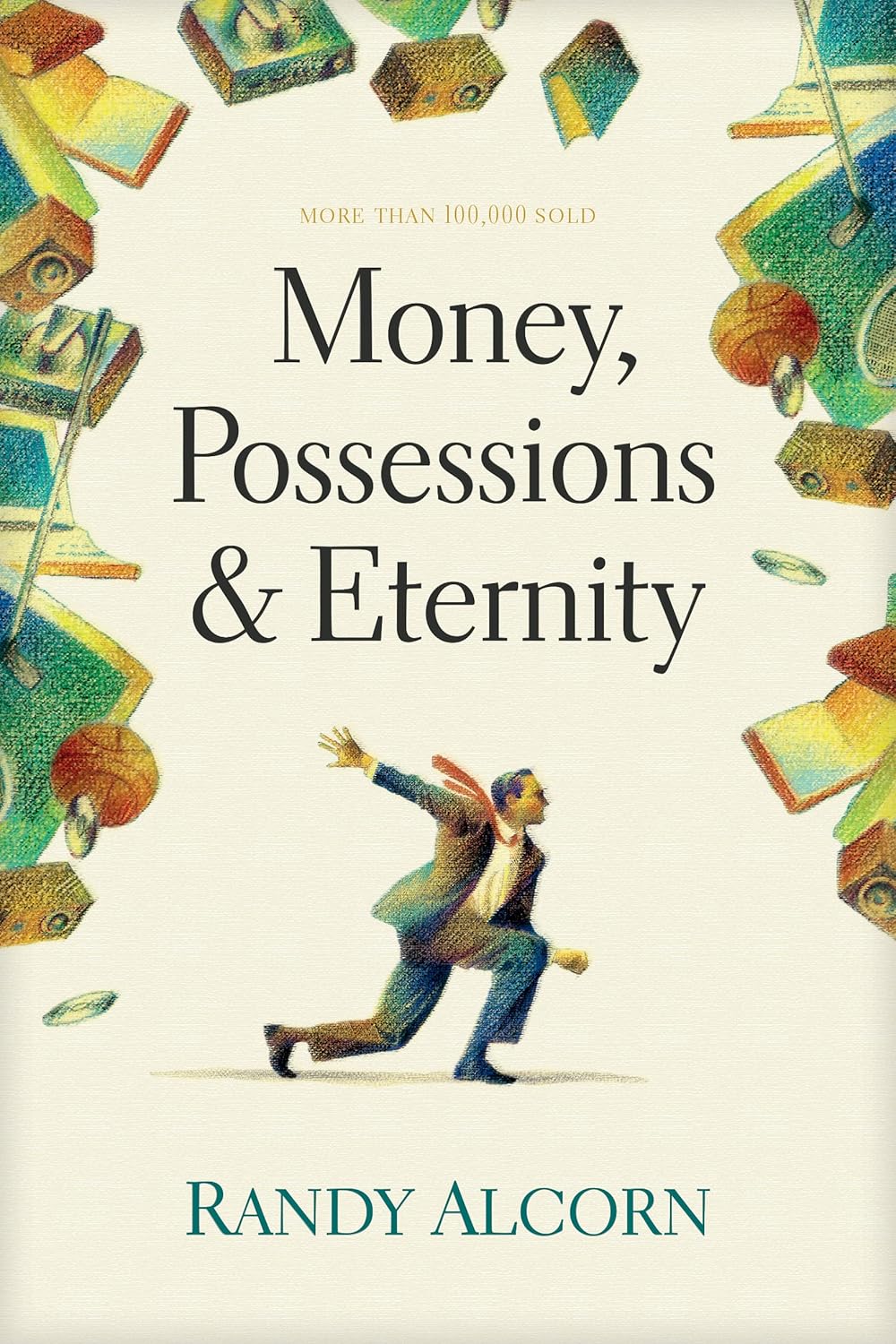
Money, Possessions, and Eternity by Randy Alcorn
The book behind most of what's on this page. Alcorn makes the case, verse by verse, that God owns everything, that we're His money managers rather than owners, and that giving generously now is one of the few financial decisions with consequences that outlast this life. I read it recently, and it reframed money for me almost immediately.
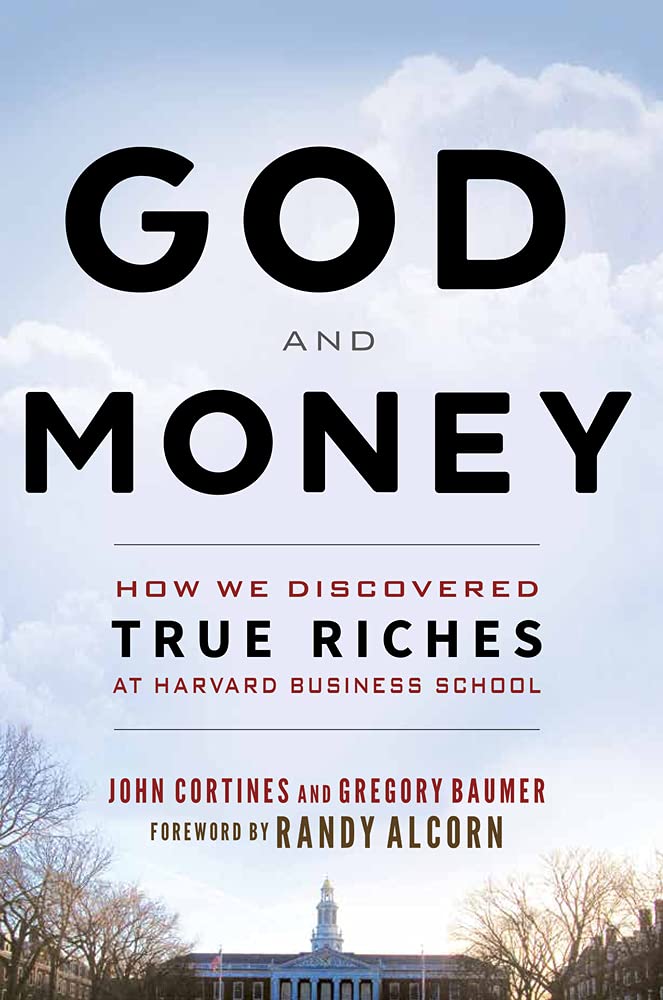
God and Money by Gregory Baumer & John Cortines
Two Harvard MBA students who set out to figure out how much is "enough" to live on and give away the rest. Practical and numbers-forward, a good next step after the "why" of stewardship, for the "how much, starting when" questions.
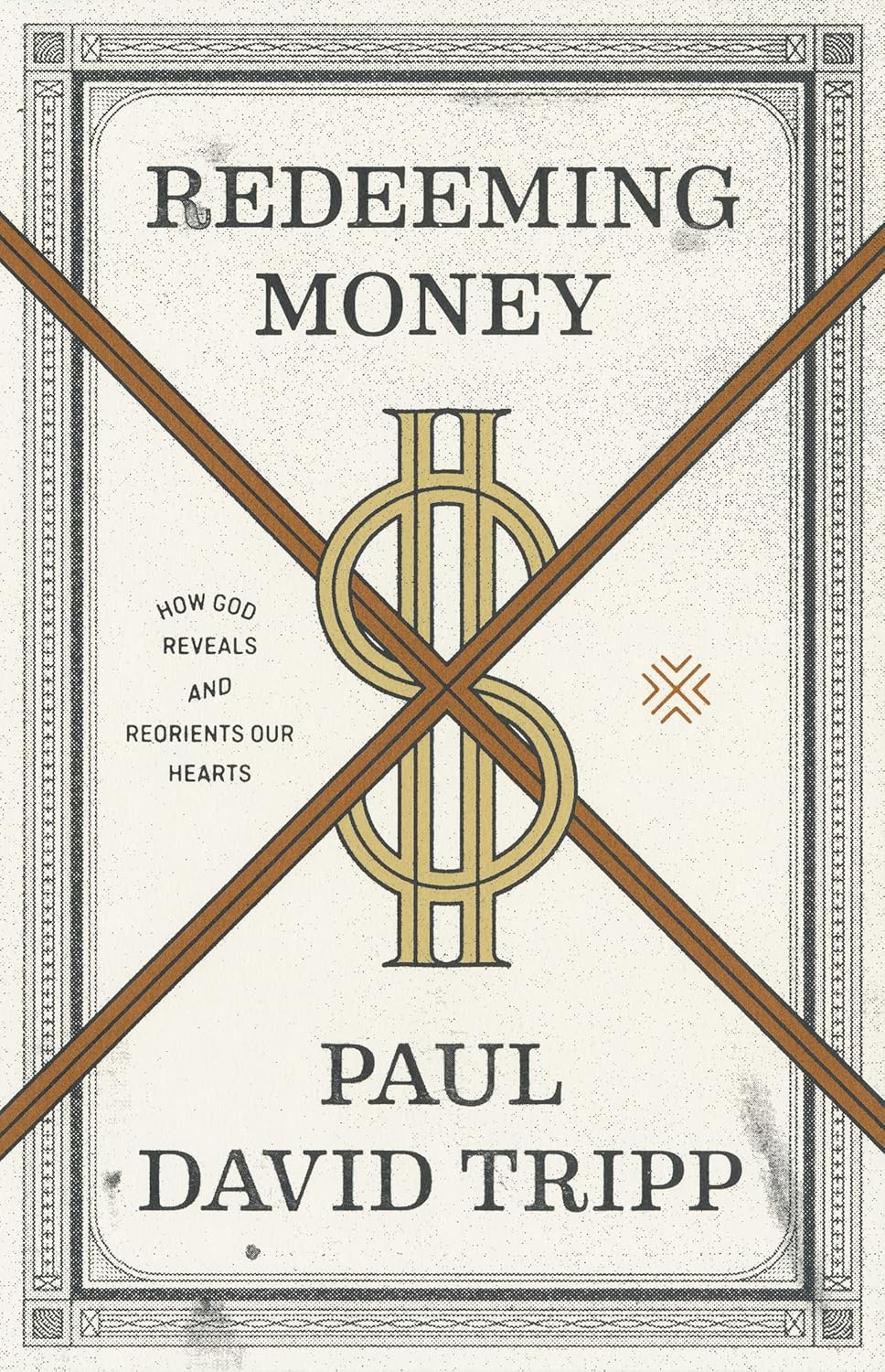
Redeeming Money by Paul David Tripp
Less about budgeting mechanics, more about the heart underneath money decisions: fear, control, comparison, identity. A good read if the emotional side of budgeting is the harder part for you, not just the spreadsheet side.
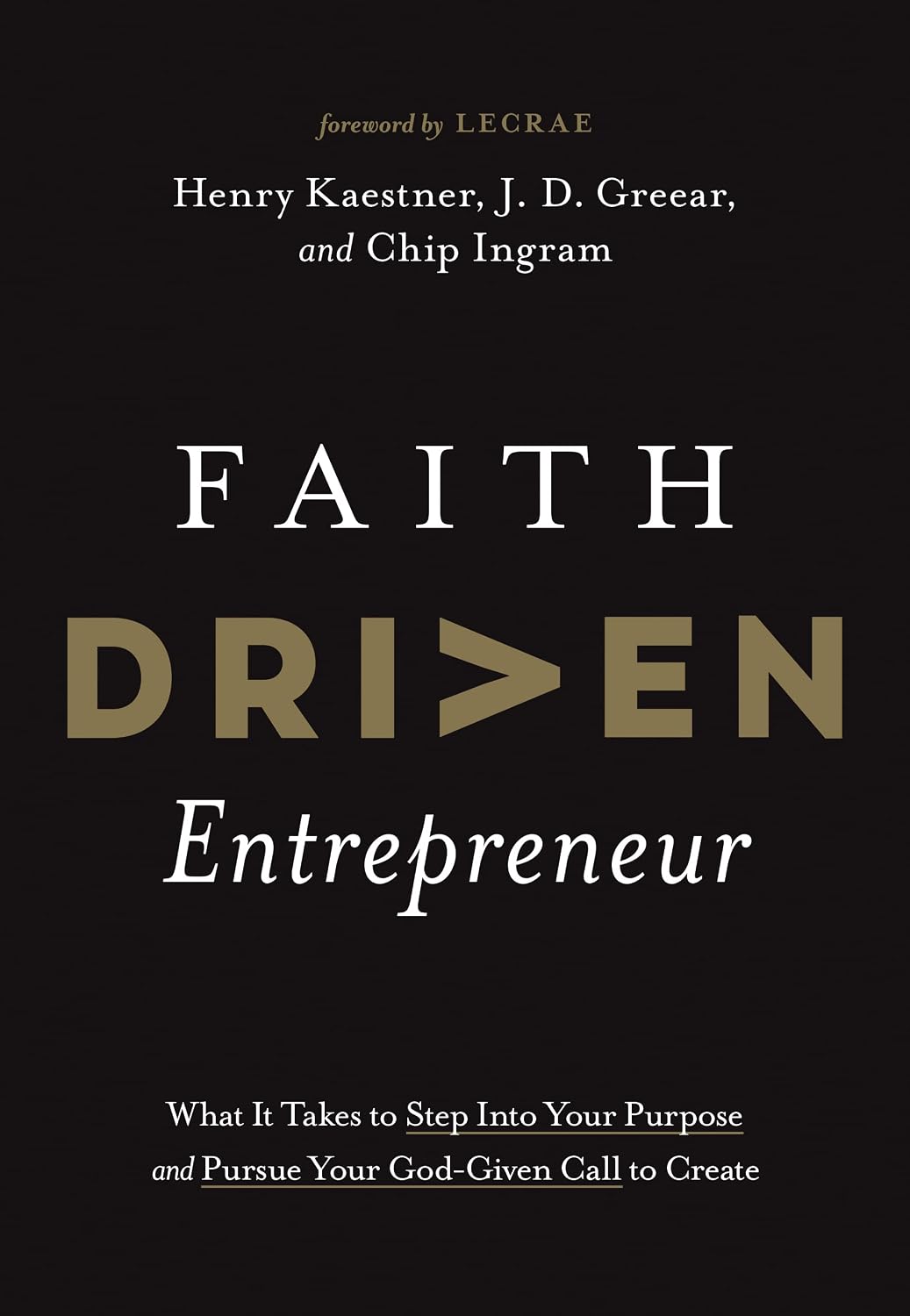
Faith Driven Entrepreneur by Henry Kaestner, J.D. Greear & Chip Ingram
Written for people building something (a business, a practice, a side income) who want their faith to actually shape their decisions instead of sitting separate from work. Not directly about budgeting, but a good companion if margin, money, and calling are tangled together for you.
Some of the links above earn me a small commission if you buy through them, at no extra cost to you. That's not why they're here: I'd recommend all four regardless.
You won't be quizzed on any of this, and I'm not going to work Scripture into a session about your grocery category. This page exists so the "why" behind my coaching is something you chose to read, not something you found out about halfway through working with me.
Ready to find your margin?
Book a free 20-minute call. We'll look at where your budget stands and figure out the right next step, together.